Precision you can build on. NABL accredited laboratory
calibration@kesartesting.com+91 63579 03105

Temperature & Humidity Mapping Services in India

Temperature and humidity mapping is the process of measuring and documenting temperature and humidity levels over time in various areas inside a controlled

Temp & Humidity Mapping — Kesar Testing Service LLP

THE SERVICE

Temperature & humidity mapping in Ahmedabad, with traceable instruments.

Temperature and humidity mapping records conditions at many points across a warehouse, cold room, stability chamber or cleanroom over a defined period. It reveals hot and cold spots, humid corners and the effect of doors and loading, so you know where sensitive products can be stored safely and where to place monitoring probes.

Temperature and humidity mapping is the process of measuring and documenting temperature and humidity levels over time in various areas inside a controlled environment, such as a warehouse, cold storage, cleanroom, or stability chamber. This guarantees that the area constantly maintains the necessary environmental conditions for the safety, quality, and efficacy of sensitive products such as medications, food, and biotech products.

At Kesar Testing Service LLP , we provide end-to-end validation solutions for mapping thermal and RH conditions to maintain product integrity and meet GMP, WHO, FDA, and GDP guidelines.

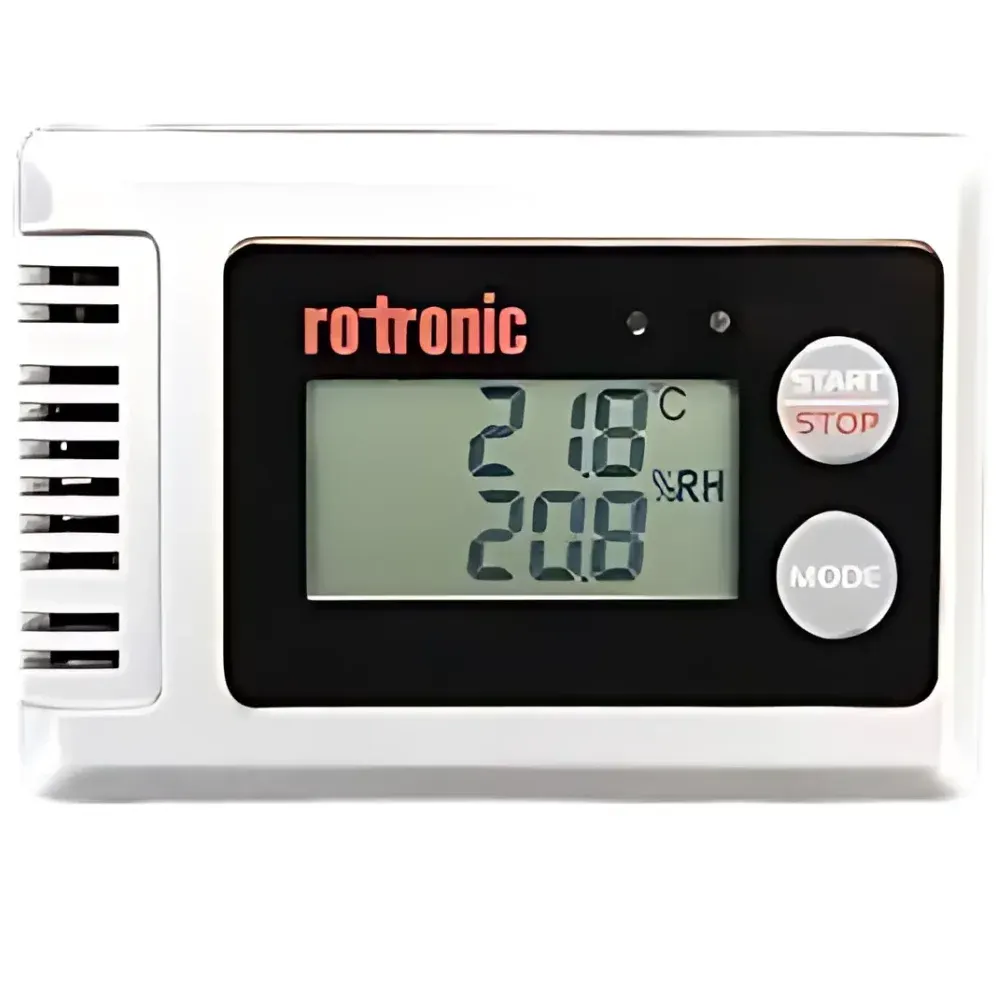
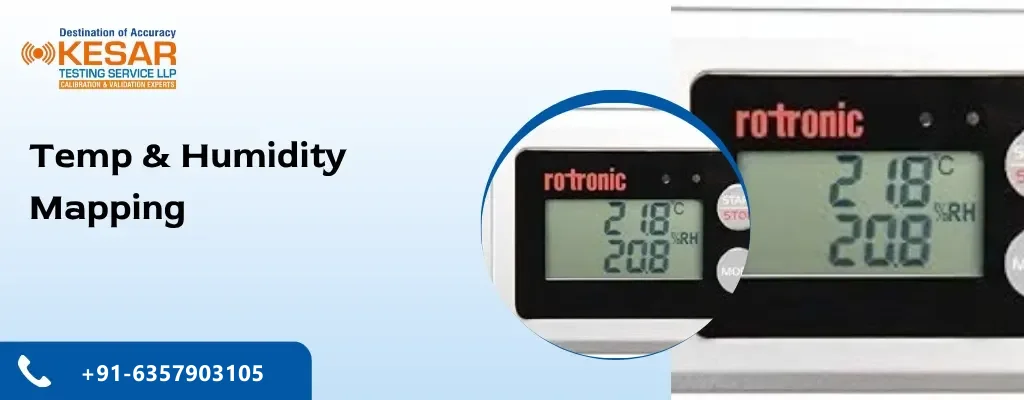
Kesar Testing Service LLP uses the Rotronic HL-1D to provide high-accuracy, compliant, and reliable mapping solutions that are suited to industry needs. Feel free to reach us at Temperature & Humidity Mapping.

Our Validation Services

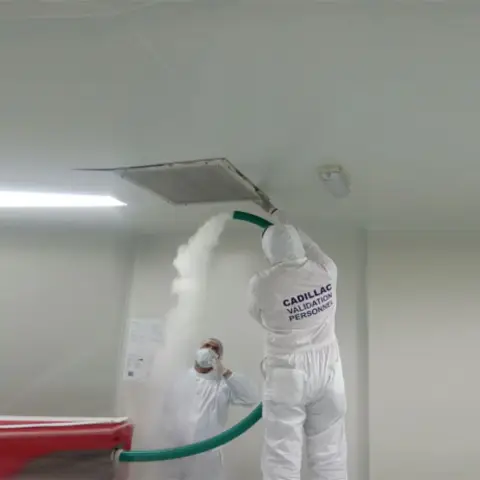
HEPA Filter Integrity Validation

Recovery test validation

Temperature and Humidity mapping

LUX and Noise Mapping

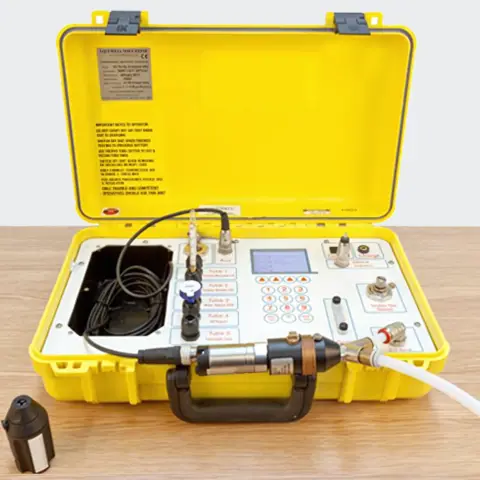
Compressed Air Validation

Equipment Validation

calibration.kesar@gmail.com
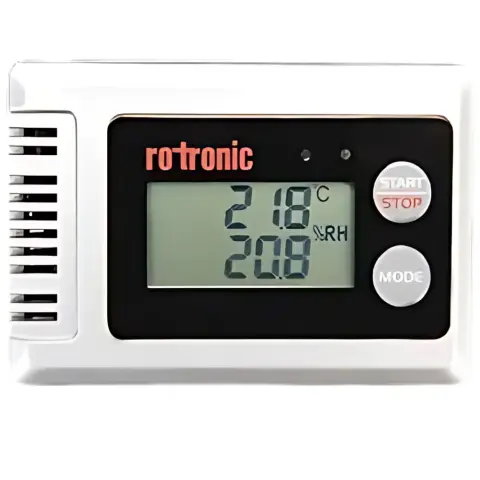
Temp & Humidity Mapping — photo 1

What we test

  • Warehouses and storage areas
  • Cold rooms and walk-in chambers
  • Stability and humidity chambers
  • Refrigerators and deep freezers
  • Cleanrooms and production areas
  • Empty and loaded studies
  • Door-opening and power-failure tests
  • Hot and cold spot identification

What you receive

  • Mapping report with statistical summary
  • Logger layout and location drawings
  • Raw data and trend graphs
  • Logger calibration certificates attached

WHY IT MATTERS

Why temperature & humidity mapping matters
for Gujarat's industries.

Documented, repeatable testing shows your controlled environments perform as designed.

01

Know your worst spots

Mapping shows exactly where temperature and humidity run highest and lowest, so permanent monitoring probes can be placed at the locations of greatest risk.

02

Protect sensitive stock

Confirming the qualified storage zone helps prevent excursions that could compromise medicines, vaccines, food ingredients or stability samples held in the area.

03

Supports GDP compliance

A documented mapping study is a standard expectation for storage areas under WHO and good distribution practice guidance, and is reviewed during regulatory inspections.

HOW WE WORK

How our Ahmedabad lab works with you.

Every engagement follows the same disciplined steps, so results are consistent and audit-ready.

  1. 01

    Scope your requirement

    Share your instrument list, rooms or systems and the standards you work to. We confirm parameters, ranges and acceptance criteria before anything is scheduled.

  2. 02

    Plan the work

    We agree dates, on-site or in-lab handling and the protocol to follow, so production and QA know exactly what will happen and when.

  3. 03

    Measure with traceable standards

    Qualified engineers carry out the work using calibrated reference instruments traceable to national standards, recording raw data as they go.

  4. 04

    Report and certify

    You receive clear certificates and reports — results, uncertainty or acceptance criteria, and traceability — ready for audits and regulatory inspections.

FREQUENTLY ASKED

Temperature & humidity mapping in Ahmedabad: your questions.

Can’t find what you need? Call +91 63579 03105 or email calibration@kesartesting.com.

What guidance covers temperature mapping of storage areas?

WHO Technical Report Series 961, Annex 9, Supplement 8 is the widely used guidance on temperature mapping of storage areas. It covers protocol preparation, logger placement, study duration and reporting. Many pharmaceutical sites in India use it alongside Schedule M and good distribution practice requirements when designing mapping studies for warehouses and cold rooms.

How many data loggers are needed for a mapping study?

The number depends on the size and shape of the space, the racking layout and the risk to the product. Loggers are placed in a three-dimensional grid at different heights, with extra positions near doors, evaporators, windows and other likely trouble spots. The layout is defined in the protocol and approved before the study starts.

Should mapping be done in both summer and winter?

For areas affected by outside weather, such as warehouses, seasonal mapping is commonly recommended so that both extremes are captured. Temperature-controlled chambers and cold rooms with independent refrigeration are less affected by season, but are typically mapped empty and loaded. The approach should be justified in the site's own risk assessment.

How often should a storage area be remapped?

Remapping is normally triggered by change, such as new racking, an HVAC modification, a change in stored products or repeated temperature excursions. Many sites also remap at a periodic interval set by their quality system and risk assessment. Monitoring data gathered between studies helps decide whether an earlier remap is needed.

LET'S WORK TOGETHER

Your calibration partner
in Ahmedabad, Gujarat.

Talk to our team about calibration, validation and testing for your facility.

Start a conversation