Precision you can build on. NABL accredited laboratory
calibration@kesartesting.com+91 63579 03105

Lux Level & Noise Level Mapping Services in India

LUX and Noise Mapping refers to evaluating and validating light intensity (LUX) and sound levels (noise) in controlled conditions to ensure compliance

LUX and Noise Mapping — Kesar Testing Service LLP

THE SERVICE

Lux & noise mapping in Ahmedabad, with traceable instruments.

Lux and noise mapping measures light intensity and sound levels at defined points across a production area, laboratory or cleanroom. The survey shows whether operators have adequate light for visual tasks such as inspection and documentation, and whether noise from HVAC and machinery is within the limits set for the area.

LUX and Noise Mapping refers to evaluating and validating light intensity (LUX) and sound levels (noise) in controlled conditions to ensure compliance with defined standards and operational requirements. This validation process has important in pharmaceuticals, healthcare, biotechnology, and manufacturing industries, where exact environmental conditions are required to ensure product safety, compliance, and quality.

How does the Kesar Testing Service LLP helps in LUX and Noise Mapping validation?

We offerr comprehensive solutions for LUX and Noise Mapping to verify that controlled environments in the pharmaceutical, healthcare, biotechnology, and manufacturing industries satisfy regulatory standards. This is how we work:

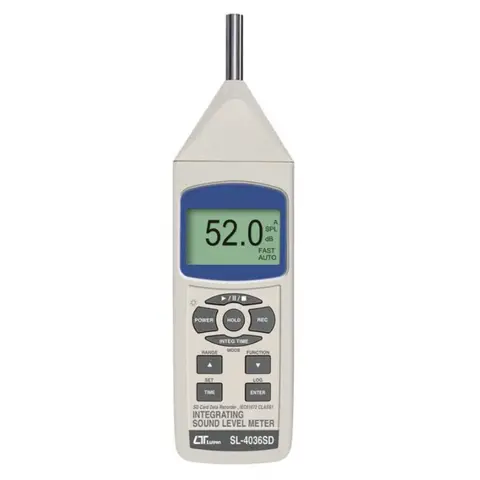
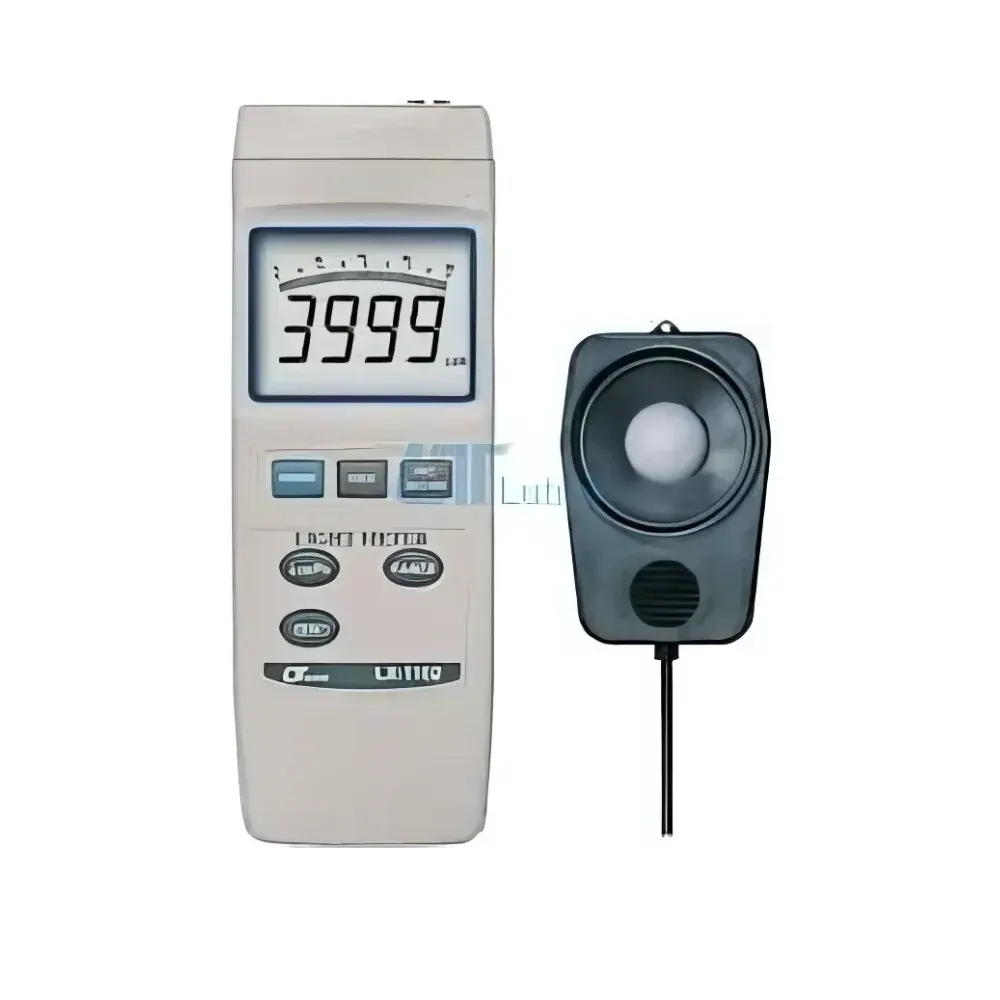
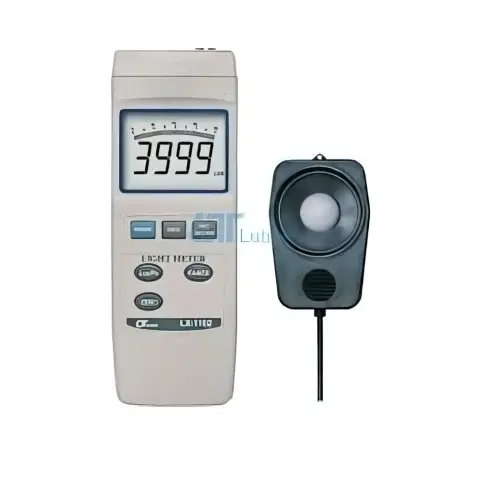
Precision Instruments: Kesar testing services use high-accurate lux meters for measuring light intensity and sound meter to measure sound level in a variety of situations.

Regulatory Compliance: Kesar Testing Services ‘s solutions meet industry standards such as GMP, OSHA, and ISO, assuring proper light and noise levels for compliance and safety.

Expert Onsite Support: Our experienced professionals do onsite testing and validation to reduce downtime and improve operational efficiency.

Kesar Testing Service LLP has years of calibration and validation experience and is a valued partner in industries such as pharmaceuticals, food, biotechnology, and healthcare. Kesar specializes in onsite LUX and Noise Mapping, providing precise solutions to assure ideal lighting and sound conditions, which are crucial for product quality and safety.

Feel free to contact us for reliable, expert calibration and validation services.

Our Validation Services

HEPA Filter Integrity Validation

Recovery test validation

Temperature and Humidity mapping

Compressed Air Validation

Equipment Validation

calibration.kesar@gmail.com
LUX and Noise Mapping — photo 1LUX and Noise Mapping — photo 2

What we test

  • Illuminance at work surfaces
  • Grid-wise lux measurement
  • Visual inspection booth lighting
  • Sound level measurement in dB(A)
  • HVAC and equipment noise
  • Cleanrooms and corridors
  • Laboratories and warehouses

What you receive

  • Lux and noise readings per location
  • Layout drawings with grid points
  • Acceptance criteria versus results
  • Instrument calibration certificates attached

WHY IT MATTERS

Why lux & noise mapping matters
for Gujarat's industries.

Documented, repeatable testing shows your controlled environments perform as designed.

01

Better visual inspection

Adequate, even lighting at inspection and weighing stations helps operators detect particles, defects and label errors that poor light can easily hide.

02

Safer working conditions

Noise readings identify areas where machinery or air handling raises sound levels, so controls or hearing protection can be applied where they are needed.

03

Location-specific records

Readings tied to a marked layout make it straightforward to repeat the survey after lighting changes and compare results point by point.

HOW WE WORK

How our Ahmedabad lab works with you.

Every engagement follows the same disciplined steps, so results are consistent and audit-ready.

  1. 01

    Scope your requirement

    Share your instrument list, rooms or systems and the standards you work to. We confirm parameters, ranges and acceptance criteria before anything is scheduled.

  2. 02

    Plan the work

    We agree dates, on-site or in-lab handling and the protocol to follow, so production and QA know exactly what will happen and when.

  3. 03

    Measure with traceable standards

    Qualified engineers carry out the work using calibrated reference instruments traceable to national standards, recording raw data as they go.

  4. 04

    Report and certify

    You receive clear certificates and reports — results, uncertainty or acceptance criteria, and traceability — ready for audits and regulatory inspections.

FREQUENTLY ASKED

Lux & noise mapping in Ahmedabad: your questions.

Can’t find what you need? Call +91 63579 03105 or email calibration@kesartesting.com.

Which standard is used for recommended lighting levels in India?

IS 3646, the Indian code of practice for interior illumination, gives recommended illuminance values for different types of work and interiors. Many sites use it, together with factory rules guidance and their own user requirement specification, to set acceptance criteria for each room. The final criteria should be agreed and approved by the site before the survey.

How are lux measurement points selected in a room?

The room is divided into a grid and readings are taken at each grid point at working height, with additional readings at specific task positions such as inspection booths, balances and documentation desks. The grid points are marked on a layout so the survey can be repeated at the same locations later.

What does a dB(A) reading mean in a noise survey?

dB(A) is a sound level measured with A-weighting, which adjusts the reading to approximate how the human ear responds to different frequencies. It is the usual unit for workplace noise assessment. Readings are taken with a calibrated sound level meter at operator positions, with the equipment and HVAC running under normal conditions.

Is lux and noise mapping part of cleanroom qualification?

Many pharmaceutical sites include lighting and noise levels in their HVAC or area qualification protocols, alongside airflow, pressure differential and particle counts. They are not cleanliness parameters, but they affect operator performance and comfort. Whether they are included, and at what frequency, is normally defined in the site's validation master plan.

LET'S WORK TOGETHER

Your calibration partner
in Ahmedabad, Gujarat.

Talk to our team about calibration, validation and testing for your facility.

Start a conversation