Precision you can build on. NABL accredited laboratory
calibration@kesartesting.com+91 63579 03105

HEPA Filter Integrity Test (DOP / PAO Test) in India

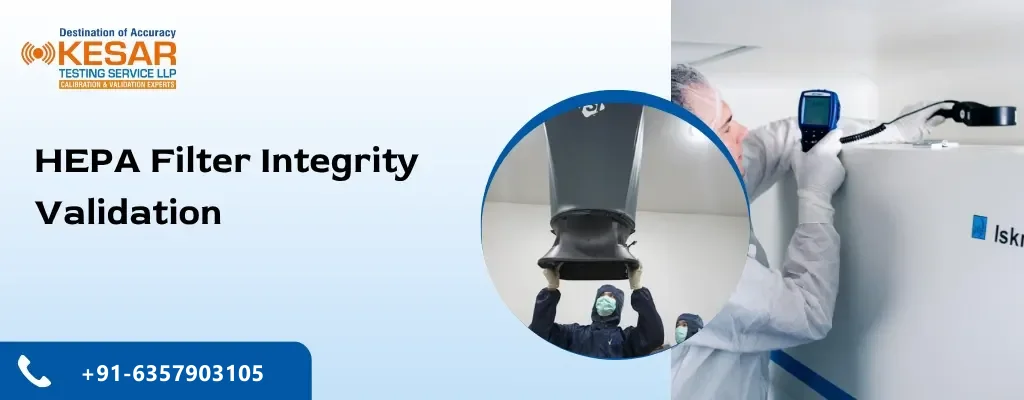
HEPA Filter Integrity Validation is the process of testing and verifying that a High-Efficiency Particulate Air (HEPA) filter is functioning correctly

HEPA Filter Integrity Validation — Kesar Testing Service LLP

THE SERVICE

HEPA filter integrity testing in Ahmedabad, with traceable instruments.

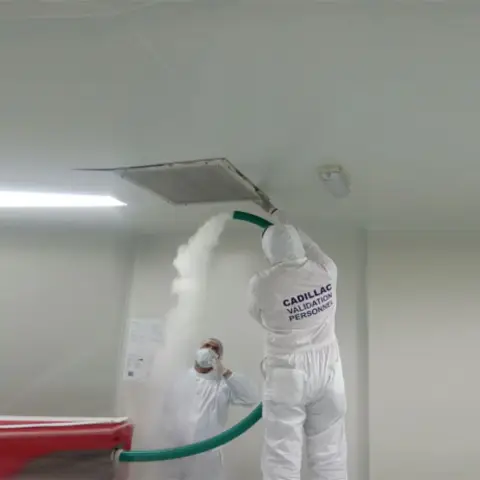
HEPA filter integrity validation checks installed filters for leaks through the media, gaskets and frame using an aerosol challenge and photometer scan. Even a pinhole or a poor seal can let unfiltered air into a cleanroom, so in-situ leak testing is a core requirement before a controlled area is released for use.

HEPA Filter Integrity Validation is the process of testing and verifying that a High-Efficiency Particulate Air (HEPA) filter is functioning correctly—without leaks or damage—and effectively capturing airborne particles as per its design and efficiency standards.

This validation is critical in controlled environments such as cleanrooms, pharmaceutical manufacturing, hospitals, laboratories, and biosafety cabinets where contamination control is essential.

Key steps:

Inspection: Inspect for physical damage, gaps, or incorrect installation.

Leak Testing: Use aerosol testing to find leaks in the filter or frame.

Productivity Assessment: Confirm efficiency (99.97%+ for 0.3-micron particles).

Documentation: Provide extensive test results to ensure regulatory compliance.

Regular validation reduces harm, maintains product quality, and assures ISO and GMP compliance.

Why Choose Kesar Testing Service LLP HEPA Filter Integrity Validation in India

Kesar Testing Service LLP offers precise and trustworthy HEPA filter integrity validation services to assure peak performance and compliance with industry requirements.

Complete Inspections: Our staff conducts detailed physical inspections of HEPA filters to detect installation errors, corrosion, or wear.

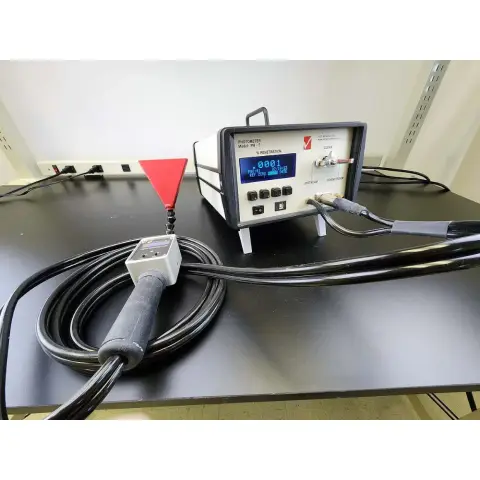
Advanced Leak Testing: We use aerosol photometers or particle counters to detect leaks in filters or their housing with great accuracy.

Performance Validation: We test filter efficiency to ensure it meets or surpasses the 99.97% criterion for particles as small as 0.3 micron.

Detailed Reporting: We provide complete reports that document test results and ensure compliance with GMP, ISO, and other regulatory requirements.

Onsite Services: Our professionals do onsite testing and validation to reduce downtime and improve operational efficiency.

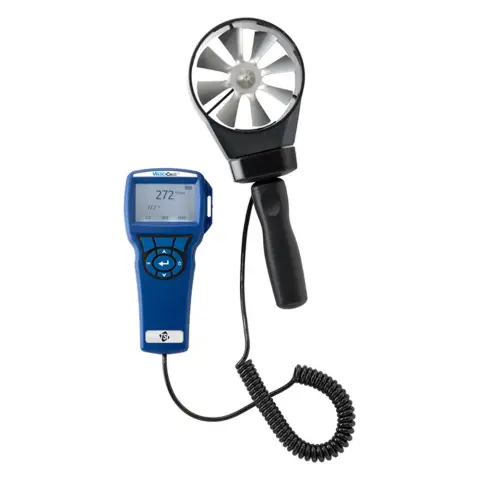
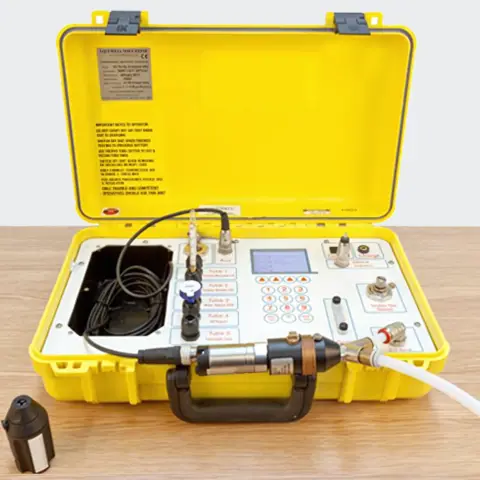
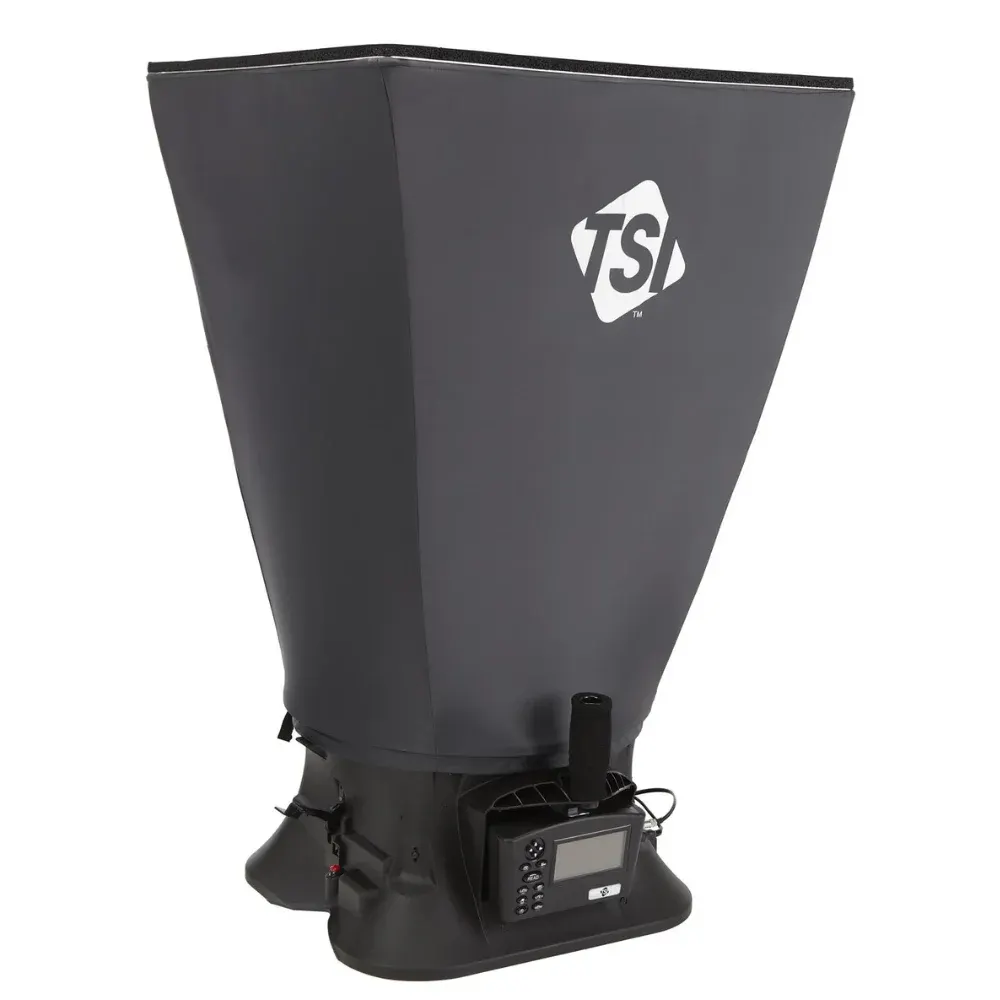
We uses innovative equipment such as the TSI Air Capture Hood, Tec Services Digital Aerosol Photometer, and TSI Anemometer to validate HEPA filter integrity precisely.

Feel free to contact us for reliable & expert HEPA filter integrity validation services in Gujarat, India.

Our Validation Services

Recovery test validation

Temperature and Humidity mapping

LUX and Noise Mapping

Compressed Air Validation

Equipment Validation

calibration.kesar@gmail.com
HEPA Filter Integrity Validation — photo 1HEPA Filter Integrity Validation — photo 2HEPA Filter Integrity Validation — photo 3

What we test

  • In-situ filter leak scanning
  • PAO aerosol challenge
  • Upstream concentration measurement
  • Filter media, gasket and frame
  • Terminal ceiling HEPA filters
  • Laminar air flow units
  • Biosafety cabinets
  • Physical inspection of installation

What you receive

  • Leak test report per filter
  • Filter location layout drawings
  • Upstream and downstream readings
  • Photometer calibration certificate attached

WHY IT MATTERS

Why hepa filter integrity testing matters
for Gujarat's industries.

Documented, repeatable testing shows your controlled environments perform as designed.

01

Leaks found precisely

Scanning the full filter face and perimeter locates leaks to a specific point, so a filter can be repaired within allowed limits or replaced.

02

Protects cleanroom grade

Confirming every terminal filter is sound removes a major source of contamination that would otherwise undermine particle counts and room classification.

03

Inspection-ready records

Each filter is identified on a layout with its upstream concentration and result, giving auditors a clear trail for every installed HEPA filter.

HOW WE WORK

How our Ahmedabad lab works with you.

Every engagement follows the same disciplined steps, so results are consistent and audit-ready.

  1. 01

    Scope your requirement

    Share your instrument list, rooms or systems and the standards you work to. We confirm parameters, ranges and acceptance criteria before anything is scheduled.

  2. 02

    Plan the work

    We agree dates, on-site or in-lab handling and the protocol to follow, so production and QA know exactly what will happen and when.

  3. 03

    Measure with traceable standards

    Qualified engineers carry out the work using calibrated reference instruments traceable to national standards, recording raw data as they go.

  4. 04

    Report and certify

    You receive clear certificates and reports — results, uncertainty or acceptance criteria, and traceability — ready for audits and regulatory inspections.

FREQUENTLY ASKED

HEPA filter integrity testing in Ahmedabad: your questions.

Can’t find what you need? Call +91 63579 03105 or email calibration@kesartesting.com.

What is the acceptance criterion for a HEPA filter leak test?

For aerosol photometer scanning, a leak is commonly defined as a downstream penetration greater than 0.01% of the upstream challenge concentration, as described in IEST-RP-CC034 and ISO 14644-3. The site's protocol should confirm the criterion, the challenge aerosol and the scan method to be used for each type of filter.

Why is PAO used instead of DOP for filter testing?

DOP (dioctyl phthalate) was the traditional challenge aerosol, but health concerns led most industries to move to PAO (polyalphaolefin), which produces a similar particle size distribution. Many people still call it a DOP test. The photometer reads the PAO concentration upstream and scans downstream for any penetration above the leak criterion.

Is the in-situ leak test the same as the 99.97% efficiency rating?

No. The efficiency rating is established by the filter manufacturer under controlled factory test conditions. The in-situ leak test checks the installed filter for pinholes, damaged media and bypass around gaskets or frames, which can occur during transport, installation or later maintenance. Both matter, but only the in-situ test proves the installation is sound.

How often should installed HEPA filters be leak tested?

Filters are leak tested after installation, after replacement or repair, and then at intervals defined by the site's qualification programme and risk assessment. EU GMP Annex 1 expects filter integrity testing to form part of the periodic requalification of cleanrooms and clean air equipment, with the frequency justified by the site.

LET'S WORK TOGETHER

Your calibration partner
in Ahmedabad, Gujarat.

Talk to our team about calibration, validation and testing for your facility.

Start a conversation